Category: Yleinen
Self-control through greater cause: Martin Luther’s solution for not eating the marshmallow
”Here stand I, I cannot otherwise!” Threatened with excommunication Martin Luther stood in front of the Emperor Charles V and the Holy Roman Empire and was asked to take back his interpretation of scriptures because they defied the power of the pope. Martin requested some time to think, prayed, consulted a few friends and gave his response the next day: ”I am bound by the Scriptures I have quoted and my conscience is captive to the Word of God. I cannot and will not recant anything, since it is neither safe nor right to go against conscience. May God help me. Amen!”
A four-year old girl is left alone in the room with one marshmallow on the table. The child is told that she can eat the marshmallow whenever she wants. But if she is able to hold off until the experimenter returns, she will get a second marshmallow.

According to Roy Baumeister, one of the most distinguished social psychologist alive, willpower is the ”greatest human strength”. It is also the one thing that most of us think we have too little of. In fact, when people are asked about their failings, lack of self-control is on the top of the list. Yet its importance is tremendous as the famous marshmallow experience has showed. The children who were able to hold out the entire 15 minutes the researcher was away at the age of four outperformed those who couldn’t in all possible fields of life when they were adults. They scored 210 points higher on SAT, became more educated, earned higher salaries, put on less weight, were more popular among their peers, used less drugs and so forth. Willpower seems to be the single factor that explains future success better than almost any other measure, including IQ.
But where to get willpower?
Ralph Waldo Emerson, one of the most influential American thinker of all time, was highly impressed by Martin Luther’s words. In his essay Fate he ponders on the strong hold that fate has in how our lives turn out. ”Nature is no sentimentalist, — does not cosset or pamper us. We must see that the world is rough and surly, and will not mind drowning a man or a woman; but swallows your ship like a grain of dust.” Nevertheless, we humans are equipped with something special – thought and will. With them we can carve our own destiny if they are deep and strong enough.
For Emerson, the source of strong will lies in surrendering oneself to a greater cause:
”Alaric and Bonaparte must believe they rest on a truth, or their will can be bought or bent. There is a bribe possible for any finite will. But the pure sympathy with universal ends is an infinite force, and cannot be bribed or bent. Whoever has had experience of the moral sentiment cannot choose but believe in unlimited power.”
In other words, when we have principles and values that we believe in, our will is unbent. When we discover a cause that is greater than ourselves, it becomes a motivational mainstay that sharpens our will: ”When a strong will appears, it usually results from a certain unity of organization, as if the whole energy of body and minds flowed in one direction.” We are so empowered by our cause that we are able to stand any pressure.
Here I stand, upon these principles. If they lead me into excommunication, then so be it. For these principles are stronger than me. Failing them would be to fail what is worthwhile in life. Therefore I stand by them, whatever it takes. I have no choice. The fate of these principles is the fate of myself.
Success in life is about willpower. And willpower is ultimately about finding a cause for oneself that is so great and capturing that it molds one’s whole being to flow towards this one, noble goal. The best way for getting things done is to connect one’s things to something that is larger than oneself. When one has found a true mission for one’s life, the necessary self-control emerges from within.
 ”Here stand I, I cannot otherwise!” Threatened with excommunication Martin Luther stood in front of the Emperor Charles V and the Holy Roman Empire and was asked to take back his interpretation of scriptures because they defied the power of the pope. Martin requested some time to think, prayed, consulted a few friends and gave his response the next day: ”I am bound by the Scriptures I have quoted and my conscience is captive to the Word of God. I cannot and will not recant anything, since it is neither safe nor right to go against conscience. May God help me. Amen!”
A four-year old girl is left alone in the room with one marshmallow on the table. The child is told that she can eat the marshmallow whenever she wants. But if she is able to hold off until the experimenter returns, she will get a second marshmallow.
According to Roy Baumeister, one of the most distinguished social psychologist alive, willpower is the ”greatest human strength”. It is also the one thing that most of us think we have too little of. In fact, when people are asked about their failings, lack of self-control is on the top of the list. Yet its importance is tremendous as the famous marshmallow experience has showed. The children who were able to hold out the entire 15 minutes the researcher was away at the age of four outperformed those who couldn’t in all possible fields of life when they were adults. They scored 210 points higher on SAT, became more educated, earned higher salaries, put on less weight, were more popular among their peers, used less drugs and so forth. Willpower seems to be the single factor that explains future success better than almost any other measure, including IQ.
But where to get willpower?
Ralph Waldo Emerson, one of the most influential American thinker of all time, was highly impressed by Martin Luther’s words. In his essay Fate he ponders on the strong hold that fate has in how our lives turn out. ”Nature is no sentimentalist, — does not cosset or pamper us. We must see that the world is rough and surly, and will not mind drowning a man or a woman; but swallows your ship like a grain of dust.” Nevertheless, we humans are equipped with something special – thought and will. With them we can carve our own destiny if they are deep and strong enough.
For Emerson, the source of strong will lies in surrendering oneself to a greater cause:
”Alaric and Bonaparte must believe they rest on a truth, or their will can be bought or bent. There is a bribe possible for any finite will. But the pure sympathy with universal ends is an infinite force, and cannot be bribed or bent. Whoever has had experience of the moral sentiment cannot choose but believe in unlimited power.”
In other words, when we have principles and values that we believe in, our will is unbent. When we discover a cause that is greater than ourselves, it becomes a motivational mainstay that sharpens our will: ”When a strong will appears, it usually results from a certain unity of organization, as if the whole energy of body and minds flowed in one direction.” We are so empowered by our cause that we are able to stand any pressure.
Here I stand, upon these principles. If they lead me into excommunication, then so be it. For these principles are stronger than me. Failing them would be to fail what is worthwhile in life. Therefore I stand by them, whatever it takes. I have no choice. The fate of these principles is the fate of myself.
Success in life is about willpower. And willpower is ultimately about finding a cause for oneself that is so great and capturing that it molds one’s whole being to flow towards this one, noble goal. They best way for getting things done is to connect one’s things to something that is larger than oneself. When one has found a true mission for one’s life, the necessary willpower emerges from within.
Vaalit lähestyvät – Kenen SoMe-kuplassa sinä elät?
Sosiaalinen media on näissä vaaleissa astunut isompiin saappaisiin. Haaviston nousu alkoi <a href="osittain FB-tykkäysten kautta ja monien meistä Facebook on tulvinut vaaliaiheista viestintää sietokyvyn rajoille asti. Itse olen sitä mieltä, että ihmisten innostuminen politiikasta on niin tärkeä asia yhteiskunnallisesti, että mielelläni kestän muutaman viikon ajan siihen liittyvää rummutusta. Sosiaalisessa mediassa on kuitenkin yksi vakava ongelma: se luo kuplia ihmisten ympärille.
Ihmiset seuraavat yhä vähemmän perinteisiä medioita. Yhä isompi osa heidän lukemistaan uutisista on kaverin linkkaama. Parhaimmillaan tämä tarkoittaa sitä, että jostakin tärkeästä aiheesta voi tulla puheenaihe, vaikka valtamedia kuinka yrittäisi sen unohtaa tai jopa tukahduttaa. Twitter-vallankumoukset Lähi-Idässä ja Occupy Wall Street ovat väkeviä esimerkkejä siitä, miten sosiaalinen media onnistuu muuttamaan ruohonjuuritason yksittäiset ihmiset vallankumoukselliseksi joukkovoimaksi. Mutta mitä enemmän poliittinen maailmankuva rakentuu sosiaalisen median kautta, sitä kapeammaksi se helposti muodostuu.
Minun kaveripiirini ei ole kaikenkattava otos suomalaisista. Valtaosa facebook-kavereistani on noin itseni ikäisiä, koulutettuja, pääkaupungissa asuvia ja arvoliberaaleja. Toisin sanoen, he ovat keskimäärin itseni kaltaisia. Niinpä myös ne mielipiteet, uutiset ja vitsit, joita he levittävät, ovat tietynlaisia. Ne ovat sellaisia, että ne useimmiten tukevat niitä asenteita ja arvostuksia, joita minulla jo on.
Tämä ei ole mitenkään yllättävää. Ihmiset pitävät uutisista, jotka vahvistavat heidän omia ennakkoluulojaan ja maailmankuvaansa, mutta sivuuttavat helposti uutiset, jotka vaatisivat heitä muuttamaan maailmankuvaansa. Niinpä he myös linkittävät toisilleen uutisia, jotka vahvistavat heidän yhteistä näkemystään maailman tilasta. Kun törmään tietynlaiseen uutiseen Hesarissa, voin jo melkein arvata, kuka facebook-kavereistani tulee linkittämään sen seinälleni.

Pahimmillaan tämä sosiaalisen median yksisilmäisyys johtaa maailmankuvan radikaaliin vääristymiseen. Eräs norjalainen filosofi totesi osuvasti Breivikistä, että hän toki oli psykologisesti hyvinkin sekaisin. Mutta hänen psykologinen profiilinsa oli vain ’alkoholismi-geenin’ kaltainen alttius tuollaisiin tekoihin. Tarvittiin sopiva ympäristö, jotta se puhkeaisi kukkaansa. Ja sopivan ympäristön tarjosi sokeaa vihaa pursuava nettiyhteisö, joka yhdessä lietsoi toinen toistaan yhä syvempään raivoon. Jonakin toisena aikana Breivik olisi jäänyt yksin katkeroitumaan kitkerien mielipiteidensä kanssa. Mutta nyt netti auttoi häntä löytämään samanmielisten yhteisön, joka radikalisoi häntä edelleen ja auttoi häntä saamaan voimaa omaan äärimmäiseen ratkaisuunsa.
Kun katsoo maailmaa tarpeeksi vahvaideologisesta yhteisöstä käsin, jossa jatkuvasti rummutetaan vain yhtä mielipidettä, niin mistä tahansa ”valheesta tulee vähitellen totta” niin Suomessa kuin ulkomaillakin.
Siksi on tärkeätä suhtautua vakavasti siihen uhkaan, jonka ’uutistenvälityksen demokratisoituminen’ muodostaa. Perinteisillä medioilla on useimmiten julkilausuttu pyrkimys puolueettomuuteen, heillä on maine, jota puolustaa, sekä ammattitaitoisia toimittajia, jotka voivat käyttää työaikaansa erilaisten tarinoiden totuudellisuuden tarkistamiseksi. Juuri lukemansa uutisen linkkaava yksittäinen ihminen ei välttämättä tiedosta muokkaavansa ystäviensä maailmankuvaa eikä hän edes pyri mihinkään kokonaisvaltaiseen asioiden tarkasteluun, kunhan nyt linkkasi eteenpäin yhden hänestä tärkeän näkökulman asioihin. Mutta kun hän ja sata kaveria tekevät samaa, on kupla valmis.
Mediakriittisyys on tärkeä taito. Kaikki sanomalehdet ja uutispalvelut tekevät arvovalintoja sen suhteen mitä asioita nostavat esille. Heillä on suuri valta päättää siitä, mistä asioista tulee puheenaiheita, mistä teemoista presidentinvaaleissa keskustellaan ja mistä tarinoista sinä keskustelet kavereitesi kanssa. Tässä mediakriittisyydessä sosiaalisesta mediasta on tullut hyvä apuväline, jolla murentaa perinteisen median valtaa.
Vähintään yhtä tärkeä taito on kuitenkin sosiaalinen media-kriittisyys. Se tarkoittaa sen ymmärtämistä, että sinun kaverisi linkkaavat uutisia ja kertovat tarinoita, jotka tukevat sinun maailmankuvaasi – olit sitten perussuomalainen maanviljelijä, vihervasemmistolainen punavuorelainen tai espoolainen kokoomuksen kannattaja. Se tarkoittaa sitä, että etsit aktiivisesti näkökulmia ja tarinoita myös oman kuplasi ulkopuolelta. Esimerkiksi perinteisistä medioista. Mitä laajemmasta piiristä haet tietosi, sitä vähemmän maailmankuvasi on oman kapean kuplasi rajoittama.
 Sosiaalinen media on näissä vaaleissa astunut isompiin saappaisiin. Haaviston nousu alkoi <a href="osittain FB-tykkäysten kautta ja monien meistä Facebook on tulvinut vaaliaiheista viestintää sietokyvyn rajoille asti. Itse olen sitä mieltä, että ihmisten innostuminen politiikasta on niin tärkeä asia yhteiskunnallisesti, että mielelläni kestän muutaman viikon ajan siihen liittyvää rummutusta. Sosiaalisessa mediassa on kuitenkin yksi vakava ongelma: se luo kuplia ihmisten ympärille.
Ihmiset seuraavat yhä vähemmän perinteisiä medioita. Yhä isompi osa heidän lukemistaan uutisista on kaverin linkkaama. Parhaimmillaan tämä tarkoittaa sitä, että jostakin tärkeästä aiheesta voi tulla puheenaihe, vaikka valtamedia kuinka yrittäisi sen unohtaa tai jopa tukahduttaa. Twitter-vallankumoukset Lähi-Idässä ja Occupy Wall Street ovat väkeviä esimerkkejä siitä, miten sosiaalinen media onnistuu muuttamaan ruohonjuuritason yksittäiset ihmiset vallankumoukselliseksi joukkovoimaksi. Mutta mitä enemmän poliittinen maailmankuva rakentuu sosiaalisen median kautta, sitä kapeammaksi se helposti muodostuu.
Minun kaveripiirini ei ole kaikenkattava otos suomalaisista. Valtaosa facebook-kavereistani on noin itseni ikäisiä, koulutettuja, pääkaupungissa asuvia ja arvoliberaaleja. Toisin sanoen, he ovat keskimäärin itseni kaltaisia. Niinpä myös ne mielipiteet, uutiset ja vitsit, joita he levittävät, ovat tietynlaisia. Ne ovat sellaisia, että ne useimmiten tukevat niitä asenteita ja arvostuksia, joita minulla jo on.
Tämä ei ole mitenkään yllättävää. Ihmiset pitävät uutisista, jotka vahvistavat heidän omia ennakkoluulojaan ja maailmankuvaansa, mutta sivuuttavat helposti uutiset, jotka vaatisivat heitä muuttamaan maailmankuvaansa. Niinpä he myös linkittävät toisilleen uutisia, jotka vahvistavat heidän yhteistä näkemystään maailman tilasta. Kun törmään tietynlaiseen uutiseen Hesarissa, voin jo melkein arvata, kuka facebook-kavereistani tulee linkittämään sen seinälleni.
Pahimmillaan tämä sosiaalisen median yksisilmäisyys johtaa maailmankuvan radikaaliin vääristymiseen. Eräs norjalainen filosofi totesi osuvasti Breivikistä, että hän toki oli psykologisesti hyvinkin sekaisin. Mutta hänen psykologinen profiilinsa oli vain ’alkoholismi-geenin’ kaltainen alttius tuollaisiin tekoihin. Tarvittiin sopiva ympäristö, jotta se puhkeaisi kukkaansa. Ja sopivan ympäristön tarjosi sokeaa vihaa pursuava nettiyhteisö, joka yhdessä lietsoi toinen toistaan yhä syvempään raivoon. Jonakin toisena aikana Breivik olisi jäänyt yksin katkeroitumaan kitkerien mielipiteidensä kanssa. Mutta nyt netti auttoi häntä löytämään samanmielisten yhteisön, joka radikalisoi häntä edelleen ja auttoi häntä saamaan voimaa omaan äärimmäiseen ratkaisuunsa.
Kun katsoo maailmaa tarpeeksi vahvaideologisesta yhteisöstä käsin, jossa jatkuvasti rummutetaan vain yhtä mielipidettä, niin mistä tahansa ”valheesta tulee vähitellen totta” niin Suomessa kuin ulkomaillakin.
Siksi on tärkeätä suhtautua vakavasti siihen uhkaan, jonka ’uutistenvälityksen demokratisoituminen’ muodostaa. Perinteisillä medioilla on useimmiten julkilausuttu pyrkimys puolueettomuuteen, heillä on maine, jota puolustaa, sekä ammattitaitoisia toimittajia, jotka voivat käyttää työaikaansa erilaisten tarinoiden totuudellisuuden tarkistamiseksi. Juuri lukemansa uutisen linkkaava yksittäinen ihminen ei välttämättä tiedosta muokkaavansa ystäviensä maailmankuvaa eikä hän edes pyri mihinkään kokonaisvaltaiseen asioiden tarkasteluun, kunhan nyt linkkasi eteenpäin yhden hänestä tärkeän näkökulman asioihin. Mutta kun hän ja sata kaveria tekevät samaa, on kupla valmis.
Mediakriittisyys on tärkeä taito. Kaikki sanomalehdet ja uutispalvelut tekevät arvovalintoja sen suhteen mitä asioita nostavat esille. Heillä on suuri valta päättää siitä, mistä asioista tulee puheenaiheita, mistä teemoista presidentinvaaleissa keskustellaan ja mistä tarinoista sinä keskustelet kavereitesi kanssa. Tässä mediakriittisyydessä sosiaalisesta mediasta on tullut hyvä apuväline, jolla murentaa perinteisen median valtaa.
Vähintään yhtä tärkeä taito on kuitenkin sosiaalinen media-kriittisyys. Se tarkoittaa sen ymmärtämistä, että sinun kaverisi linkkaavat uutisia ja kertovat tarinoita, jotka tukevat sinun maailmankuvaasi – olit sitten perussuomalainen maanviljelijä, vihervasemmistolainen punavuorelainen tai espoolainen kokoomuksen kannattaja. Se tarkoittaa sitä, että etsit aktiivisesti näkökulmia ja tarinoita myös oman kuplasi ulkopuolelta. Esimerkiksi perinteisistä medioista. Mitä laajemmasta piiristä haet tietosi, sitä vähemmän maailmankuvasi on oman kapean kuplasi rajoittama.
Want happiness? Make those around you happy! 5 reasons why this is the best strategy.
Take whatever book or article that reports the results of recent scientific research on happiness. One conclusion they have in common is that social relationships are what make people happy or unhappy. Here’s Daniel Gilbert, professor of psychology at Harvard, for example:
”If I had to summarize all the scientific literature on the causes of human happiness in one word, that word would be ’social’. … If I wanted to predict your happiness, and I could know only one thing about you, I wouldn’t want to know your gender, religion, health, or income. I’d want to know about your social network—about your friends and family and the strength of your bonds with them.” (from Harvard Business Review)
The best way to have good relationships is to be good towards others. That’s because relationship is about mutuality, you can’t have a high-quality relationship with someone if you don’t give something into it. Thus we are more happy when we care more about the relationship than we care about ourselves. For social animals like us, it is through relations that happiness enters our being.
So the importance of relationships is paramount for our happiness. But there are at least four additional reasons why we should care about others happiness more than our own happiness. Reason number two is purely prudential: I do a favor for you and I can expect a favor from you when I need it. I exchange favors more or less formally with those around me; some owe me, to some I do owe. By doing good deeds I build a buffer of supportive network that is there when I need it the most.
This social exchange perspective is made stronger through the mechanism of reputation. When I do good deeds to someone, the word tends to spread around – and the word spreads around even more efficiently when I am an asshole towards someone. Because people value justice, those who have a reputation of being good to others can expect favors even from people whom they have never directly benefited. Similarly, nobody wants to step up for a guy who is known to care only about himself.
The reason number three is about emotional contagion. I am affected directly by the mood of others. Through mirror neurons and other mechanisms I pick up the moods of those around me and they have a direct effect on my own mood. Bring in front of me a person who radiates excitement and I feel more energetic myself. Bring me in the midst of miserable people and my mood drops. A human being is not an a island. Thus there can’t be an island of happiness in the midst of a sea of sadness.
Fourthly, researchers show that when people do acts of kindness towards others it is many times the giver who gets a bigger boost in happiness than the receiver. As a social species our brain is wired to give us a boost of happiness when we are kind to others. In the same way that it is wired to give us a boost of happiness when we eat sugar. The difference is that the positive effect produced by good deeds lasts much longer.
But most deeply, we identify with other people. The closer they are to me the more their pains and joys are also my pains and joys. In my last post I described how having a child expands our identity from a person who cares only about oneself to a person for whom my own well-being and the well-being of the child are almost inseparable. But actually the same thing applies to some degree to all our relationships. My identity is more or less overlapping with all those people that are close to me. Therefore their joys and miseries affect me directly, as if they would be my own joys and miseries.
So a practical advice: If you visit the same cashiers in a shop every day, do something extra for them. Make them smile a few times and in the future your own happiness will receive a boost everytime you see them. And if you live with somebody, you better make sure that you think more about how to make him or her happy than you think about how he or she makes you happy. As we are more prone to notice our own good deeds this is the only strategy that can make a relationship sustainable, balanced and happy for both.
Being a human is about being with others. Our own well-being and happiness is entangled to our social relations in a number of ways. Even to the degree that our best bet in increasing our own happiness is to invest in the happiness of others.
It is paradoxical but it is true. The less you care about your own happiness and the more you care about the happiness of others, the more happy you are yourself.
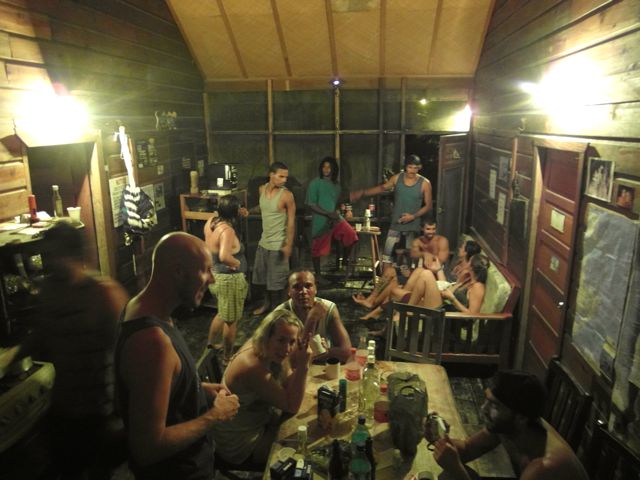 Take whatever book or article that reports the results of recent scientific research on happiness. One conclusion they have in common is that social relationships are what make people happy or unhappy. Here’s Daniel Gilbert, professor of psychology at Harvard, for example:
”If I had to summarize all the scientific literature on the causes of human happiness in one word, that word would be ’social’. … If I wanted to predict your happiness, and I could know only one thing about you, I wouldn’t want to know your gender, religion, health, or income. I’d want to know about your social network—about your friends and family and the strength of your bonds with them.” (from Harvard Business Review)
The best way to have good relationships is to be good towards others. That’s because relationship is about mutuality, you can’t have a high-quality relationship with someone if you don’t give something into it. Thus we are more happy when we care more about the relationship than we care about ourselves. For social animals like us, it is through relations that happiness enters our being.
So the importance of relationships is paramount for our happiness. But there are at least four additional reasons why we should care about others happiness more than our own happiness. Reason number two is purely prudential: I do a favor for you and I can expect a favor from you when I need it. I exchange favors more or less formally with those around me; some owe me, to some I do owe. By doing good deeds I build a buffer of supportive network that is there when I need it the most.
This social exchange perspective is made stronger through the mechanism of reputation. When I do good deeds to someone, the word tends to spread around – and the word spreads around even more efficiently when I am an asshole towards someone. Because people value justice, those who have a reputation of being good to others can expect favors even from people whom they have never directly benefited. Similarly, nobody wants to step up for a guy who is known to care only about himself.
The reason number three is about emotional contagion. I am affected directly by the mood of others. Through mirror neurons and other mechanisms I pick up the moods of those around me and they have a direct effect on my own mood. Bring in front of me a person who radiates excitement and I feel more energetic myself. Bring me in the midst of miserable people and my mood drops. A human being is not an a island. Thus there can’t be an island of happiness in the midst of a sea of sadness.
Fourthly, researchers show that when people do acts of kindness towards others it is many times the giver who gets a bigger boost in happiness than the receiver. As a social species our brain is wired to give us a boost of happiness when we are kind to others. In the same way that it is wired to give us a boost of happiness when we eat sugar. The difference is that the positive effect produced by good deeds lasts much longer.
But most deeply, we identify with other people. The closer they are to me the more their pains and joys are also my pains and joys. In my last post I described how having a child expands our identity from a person who cares only about oneself to a person for whom my own well-being and the well-being of the child are almost inseparable. But actually the same thing applies to some degree to all our relationships. My identity is more or less overlapping with all those people that are close to me. Therefore their joys and miseries affect me directly, as if they would be my own joys and miseries.
So a practical advice: If you visit the same cashiers in a shop every day, do something extra for them. Make them smile a few times and in the future your own happiness will receive a boost everytime you see them. And if you live with somebody, you better make sure that you think more about how to make him or her happy than you think about how he or she makes you happy. As we are more prone to notice our own good deeds this is the only strategy that can make a relationship sustainable, balanced and happy for both.
Being a human is about being with others. Our own well-being and happiness is entangled to our social relations in a number of ways. Even to the degree that our best bet in increasing our own happiness is to invest in the happiness of others.
It is paradoxical but it is true. The less you care about your own happiness and the more you care about the happiness of others, the more happy you are yourself.
Suvaitsevaisuus voitti vastajytkyn!
Presidentinvaalien ensimmäinen kierros antoi tärkeän opetuksen siitä, miten kohdata erilaisuus. Enkä tarkoita sitä, että Pekka Haavisto (18,8%) voitti Timo Soinin (9,4%) . Pekka Haaviston menestys ei nimittäin ollut vastajytky. Tarkoitan sitä, miten Pekka Haavisto voitti Paavo Lipposen (6,7%) ja Eva Biaudetin (2,7%).
Lipponen ja Biaudet rakensivat kampanjaansa paljon Perussuomalaisia vastaan. He pyrkivät profiloitumaan vastavoimana jytkylle, esitaistelijoina pimeyden voimia vastaan. Joskus on tärkeätä seistä puolustusasemissaan, mutta useimmiten muurin rakentaminen itsen ja toisen välille vain lisää vihanpitoa meidän ja muiden välillä, molemmin puolin. Kun viholliskuvia rakennetaan, on ainoana voittajana kovat arvot ja lisääntyvä vihanpito molemmin puolin muuria.
Halu jakaa maailma meihin ja vastustajiin istuu syvällä ihmisluonnossa. Aivan liian monet poliitikot ovat käyttäneet tätä hyväkseen ja ratsastaneet eteenpäin viholliskuvia rakentamalla. Ja aivan liian usein kansa on lammasmaisesti julistanut heidät johtajikseen. Pahimmillaan ollaan ajauduttu vihan kierteeseen, jossa vastapuolen koventuva retoriikka lisää kovien keinojen kannatusta toisella puolella. Viha ruokkii vihaa. Siksi olen ylpeä suomalaisista, että he äänestivät enemmän sillanrakentajaa kuin muurinpystyttäjiä.
Suvaitsevaisuuden todellinen kynnyskysymys on siinä, miten kohtaamme hänet, jota eniten demonisoimme. Joillekin kauhun kohde ovat tummaihoiset ja seksuaaliset vähemmistöt, toisille näiden vihaajat. Pekka Haavisto ei ole opettanut suvaitsevaisuutta vain Teuvo Hakkaraiselle ja muille Pekkaan tykästyneille perussuomalaisille. Hän on opettanut sitä myös kaikille arvoylimielisille vihreille, jotka nauravat halvekuvasti niille maaseudun ehdokkaille, jotka eivät ole pukeutuneet tarpeeksi trendikkäästi.
Laajemmin hän on toiminnallaan antanut tärkeän esimerkin kaikille meille siitä, miten meidän tulee kohdata hänet, joka on meistä kaikkein kauimpana. Kukaan ihminen ei ole läpeensä paha. Kun kohtaamme hänet ihmisenä ja koetamme ymmärtää häntä, olemme ottaneet ensimmäisen askeleen kohti suvaitsevampaa maailmaa – ja myös toisen muuttamista. Huutamalla viholliselle saamme nimittäin hänet vain takertumaan tiukemmin omiin asenteisiinsa ja torjumaan meidät totaalisesti. Mutta jos löydämme yhteisen perustan ja keskinäisen kunnioituksen, voimme aloittaa todellisen dialogin, jossa toinen voi oikeasti muuttua. Sen edellytyksenä on kuitenkin, että olemme myös itse valmiita muuttumaan. Tässä on haastetta meille jokaiselle: kohdata vastapuoli niin, että aidosti uskomme että hän voi opettaa myös meille jotakin.
Suvaitsevaisuus vaatii paljon enemmän rohkeutta kuin vihollisuus. Toisen ymmärtäminen vaatii vahvempaa itsetuntoa kuin toisen demonisoiminen. Se vaatii itsensä laittamista alttiiksi. Tätä olen arvostanut Pekan tavassa kohdata ne, jotka heikompi yksilö tulkitsisi vihollisiksi. Riippumatta siitä, mitä vaaleissa jatkossa käy, toivon, että tämä opetus on näiden presidentinvaalien pitkäaikaisin perintö.
 Presidentinvaalien ensimmäinen kierros antoi tärkeän opetuksen siitä, miten kohdata erilaisuus. Enkä tarkoita sitä, että Pekka Haavisto (18,8%) voitti Timo Soinin (9,4%) . Pekka Haaviston menestys ei nimittäin ollut vastajytky. Tarkoitan sitä, miten Pekka Haavisto voitti Paavo Lipposen (6,7%) ja Eva Biaudetin (2,7%).
Lipponen ja Biaudet rakensivat kampanjaansa paljon Perussuomalaisia vastaan. He pyrkivät profiloitumaan vastavoimana jytkylle, esitaistelijoina pimeyden voimia vastaan. Joskus on tärkeätä seistä puolustusasemissaan, mutta useimmiten muurin rakentaminen itsen ja toisen välille vain lisää vihanpitoa meidän ja muiden välillä, molemmin puolin. Kun viholliskuvia rakennetaan, on ainoana voittajana kovat arvot ja lisääntyvä vihanpito molemmin puolin muuria.
Halu jakaa maailma meihin ja vastustajiin istuu syvällä ihmisluonnossa. Aivan liian monet poliitikot ovat käyttäneet tätä hyväkseen ja ratsastaneet eteenpäin viholliskuvia rakentamalla. Ja aivan liian usein kansa on lammasmaisesti julistanut heidät johtajikseen. Pahimmillaan ollaan ajauduttu vihan kierteeseen, jossa vastapuolen koventuva retoriikka lisää kovien keinojen kannatusta toisella puolella. Viha ruokkii vihaa. Siksi olen ylpeä suomalaisista, että he äänestivät enemmän sillanrakentajaa kuin muurinpystyttäjiä.
Suvaitsevaisuuden todellinen kynnyskysymys on siinä, miten kohtaamme hänet, jota eniten demonisoimme. Joillekin kauhun kohde ovat tummaihoiset ja seksuaaliset vähemmistöt, toisille näiden vihaajat. Pekka Haavisto ei ole opettanut suvaitsevaisuutta vain Teuvo Hakkaraiselle ja muille Pekkaan tykästyneille perussuomalaisille. Hän on opettanut sitä myös kaikille arvoylimielisille vihreille, jotka nauravat halvekuvasti niille maaseudun ehdokkaille, jotka eivät ole pukeutuneet tarpeeksi trendikkäästi.
Laajemmin hän on toiminnallaan antanut tärkeän esimerkin kaikille meille siitä, miten meidän tulee kohdata hänet, joka on meistä kaikkein kauimpana. Kukaan ihminen ei ole läpeensä paha. Kun kohtaamme hänet ihmisenä ja koetamme ymmärtää häntä, olemme ottaneet ensimmäisen askeleen kohti suvaitsevampaa maailmaa – ja myös toisen muuttamista. Huutamalla viholliselle saamme nimittäin hänet vain takertumaan tiukemmin omiin asenteisiinsa ja torjumaan meidät totaalisesti. Mutta jos löydämme yhteisen perustan ja keskinäisen kunnioituksen, voimme aloittaa todellisen dialogin, jossa toinen voi oikeasti muuttua. Sen edellytyksenä on kuitenkin, että olemme myös itse valmiita muuttumaan. Tässä on haastetta meille jokaiselle: kohdata vastapuoli niin, että aidosti uskomme että hän voi opettaa myös meille jotakin.
Suvaitsevaisuus vaatii paljon enemmän rohkeutta kuin vihollisuus. Toisen ymmärtäminen vaatii vahvempaa itsetuntoa kuin toisen demonisoiminen. Se vaatii itsensä laittamista alttiiksi. Tätä olen arvostanut Pekan tavassa kohdata ne, jotka heikompi yksilö tulkitsisi vihollisiksi. Riippumatta siitä, mitä vaaleissa jatkossa käy, toivon, että tämä opetus on näiden presidentinvaalien pitkäaikaisin perintö.
Birth of a child – or when you expand from an individual into a duovidual
I haven’t updated this blog for a while because I was fully absorbed in one of the greatest miracles of my own personal life: The birth of my first child! To keep up with the philosophical intentions of this blog I will resist the temptation to proclaim to everyone how wonderful event this was, how the child is the cutest ever and how great it is to be a father! Instead I will use this opportunity to reflect the deep-going changes in identity and worldview that this event gives rise to.
In west we have an atomized view of the individual: I am separated from all the others. I ought to be faithful to what is inside of me, to my unique personality. In the end of the day it is my own responsibility to make myself happy, to look for my own interests and make sure I am living the life I want to live. Accordingly, I should be primarily interested in the maximization of my own personal happiness only.
"The so-called Western view of the individual" is about "an independent, self-contained, autonomous entity" - Markus & Kitayama
Having a child challenges all this. The little fellow is not just another person who I can use to increase my own happiness. In terms of identity and motivation he is quite much inseparable from myself. My interests and the baby’s interests is the same; what is good for him is what is good for me; what I want is that the baby feels good. My happiness is embedded in him, his fortunes and misfortunes influence my mood at least as strongly as my own fortunes and misfortunes.
So we can say that I have deeply transformed through becoming a father. Or more accurately, what is ’I’ has expanded. The individual I was before no longer exists: I have become a duovidual. The newborn has become part of my identity, part of what I see as myself.
There is nothing mystical or unusual in this. When the sense of belongingness in some social relationship becomes deep enough it makes better sense to think of the relationship as the functional unit of what it means to be myself. In fact, a historical look reveals that most of our history we human beings have been so deeply embedded in our social relationships that it has made better sense to talk about ”an interdependent view of the self” instead of the modern ”independent view of the self.” In fact, the word individual as referring to a person didn’t exist before the 18th century.
We humans are social animals, deeply embedded in and defined by our close social relationships. Nothing brings this fact more at home for a western individual than having a child. A child is born, the individual is dead: Long live the duovidual!
 I haven’t updated this blog for a while because I was fully absorbed in one of the greatest miracles of my own personal life: The birth of my first child! To keep up with the philosophical intentions of this blog I will resist the temptation to proclaim to everyone how wonderful event this was, how the child is the cutest ever and how great it is to be a father! Instead I will use this opportunity to reflect the deep-going changes in identity and worldview that this event gives rise to.
In west we have an atomized view of the individual: I am separated from all the others. I ought to be faithful to what is inside of me, to my unique personality. In the end of the day it is my own responsibility to make myself happy, to look for my own interests and make sure I am living the life I want to live. Accordingly, I should be primarily interested in the maximization of my own personal happiness only.
"The so-called Western view of the individual" is about "an independent, self-contained, autonomous entity" - Markus & Kitayama
Having a child challenges all this. The little fellow is not just another person who I can use to increase my own happiness. In terms of identity and motivation he is quite much inseparable from myself. My interests and the baby’s interests is the same; what is good for him is what is good for me; what I want is that the baby feels good. My happiness is embedded in him, his fortunes and misfortunes influence my mood at least as strongly as my own fortunes and misfortunes.
So we can say that I have deeply transformed through becoming a father. Or more accurately, what is ’I’ has expanded. The individual I was before no longer exists: I have become a duovidual. The newborn has become part of my identity, part of what I see as myself.
There is nothing mystical or unusual in this. When the sense of belongingness in some social relationship becomes deep enough it makes better sense to think of the relationship as the functional unit of what it means to be myself. In fact, a historical look reveals that most of our history we human beings have been so deeply embedded in our social relationships that it has made better sense to talk about ”an interdependent view of the self” instead of the modern ”independent view of the self.” In fact, the word individual as referring to a person didn’t exist before the 18th century.
We humans are social animals, deeply embedded in and defined by our close social relationships. Nothing brings this fact more at home for a western individual than having a child. A child is born, the individual is dead: Long live the duovidual!
Tarvitsemme näissä vaaleissa presidentin, joka yhdistää kansakunnan: Mutta kenestä on siihen?
Yksi keskeinen edellytys kansakunnan menestykselle on yhtenäisyys. Kun tunne yhteisestä kohtalosta rapautuu, on hyvinvointivaltio tiensä päässä. Mitkään rakenteelliset ratkaisut eivät auta, jos ihmiset eivät koe haluavansa rakentaa tätä maata yhdessä.
Tässä suhteessa Suomi on mennyt viime aikoina huonompaan suuntaan. Tuntuu, että yhä isompi osa valtaeliitistä niin politiikassa, liike-elämässä kuin mediassakin on täysin vieraantunut siitä todellisuudesta, jossa iso osa kansastamme elää. Kaikki eivät ole töissä uusmediayhtiöissä, kaikilla ei ole pääsyä työterveydenhuoltoon, kaikki eivät ole yhtä kotonaan niin Helsingissä kuin Barcelonassakin. Monien elämä ei ole parantunut viimeisen kahdenkymmenen vuoden aikana. Pikemminkin tuntuu, että monissa suhteissa elämä on vaikeampaa: vakituista työpaikkaa on vaikea löytää, lääkäriin pääsy on hankalampaa, ei ole varaa niihin asioihin, joista muut tuntuvat nauttivan.
Pitkään puolueet onnistuivat sivuuttamaan tämän kansanosan, mutta nyt he ovat vihdoin löytäneet Perussuomalaisista itselleen oman kuuloisen äänensä. Tästä on seurannut kansakunnan kahtiajaon jyrkentyminen. Koulutettu eliitti tyytyy naureskelemaan tuoreiden kansanedustajien toilailuille. He eivät voi ymmärtää, miten joku voi heitä äänestää ja ajatella niin kuin he. Tämä sokeus erilaisuudelle on vaarallista ja jyrkentää ristiriitaa kahden eri Suomen välillä. Maailman talouden liikkeistä riippumatta tämä kahtiajakautuminen on nähdäkseni suomalaisen hyvinvointivaltion vakavin uhka tällä hetkellä.
Presidentti voisi parhaimmillaan olla se sillanrakentaja, joka onnistuisi ymmärtämään molempia osapuolia ja rakentamaan yhteisymmärrystä heidän välilleen. Lähes kaikki kandidaatit ovatkin kiiruhtaneet ilmoittautumaan mielipidevaikuttajiksi ja arvojohtajiksi. Mutta kenellä on oikeasti kyky yhdistää kansakunta?
Tästä perspektiivistä katsoen kaksi tapahtumaa vakuutti minut siitä, ketä haluan näissä vaaleissa äänestää. Kun kolmen pääpuolueen ehdokkaat – Niinistö, Lipponen ja Väyrynen – keskittyvät kiistelemään siitä, kuka oli eniten oikeassa 90-luvulla, eräs ehdokas keskittyi kohtaamaan niitä henkilöitä, jotka äkkiseltään tuntuivat olevan hänestä kaikkein kauimpana. Emme tarvitse enempää oikeassaolemista, tarvitsemme enemmän kykyä ymmärtää mihin perustuvat ne mielipiteet, jotka meidän korviimme kuulostavat ensialkuun vääriltä.
Olin vaikuttunut, kun Pekka Haavisto vieraili Teuvo Hakkaraisen kotikunnassa ja kantabaarissa. Vierailun taustalla oli Hakkaraisen ja Haaviston ystävystyminen eduskunnassa ja Hakkaraisen halu pyytää Pekalta anteeksi aiempaa homo-tölväystään. Tämä oli mielestäni aika vakuuttava osoitus Haaviston ennakkoluulottomasta ja aseistariisuvasta asenteesta. Hän ei lähtenyt vihamieliseen taistoon itseään loukanneen kansanedustajan kanssa, vaan halusi tutustua ja oppia ymmärtämään tätä. Kuulla mistä hänen asenteensa kumpuavat.
Sama meininki jatkui, kun Haavisto kohtasi Soinin kahdestaan vaalitentissä. Soini äityi kehumaan kilpakumppaniaan yllättävän vuolaasti: ”Pekka ei ole tyypillinen vihreä. Hän on aidosti humaani eikä mikään sormi pystyssä opettaja.” Soini oli selkeästi vakuuttunut Haaviston rehdistä asenteesta: ”Pekka on just semmonen kun on, hän ei ole mikään päälleliimattu kaveri. Hän puhui fiksuja ja perusteli näkökulmansa. Joistain asioista ollaan eri mieltä, mutta niin pitää ollakin.” Pekka osoitti jälleen, että kuuntelemalla pääsee paljon pidemmälle kuin julistamalla.
En ole mikään Vihreiden kannattaja ja pysyin presidentinvaaleissa pitkään puolueettomana. Mielestäni Timo Soini on aivan oikeassa siinä, että meillä on aivan liikaa viher-liberaaleja hahmoja, jotka asettuvat moraalisesti muiden yläpuolelle ja kertovat sieltä sormi pystyssä kuinka väärin muut ajattelevat (jos olet tämän blogin keskimääräinen lukija, saatat hyvinkin olla yksi heistä).
Maailmassa on saatu hyvin vähän aikaan sillä, että ilmoitetaan toiselle että hän on väärässä ja minä oikeassa. Sillä saadaan toinen puolustuskannalle ja pönkitetään korkeintaan omaa haurasta ylemmyydentuntoa. Hyvän rakentaminen alkaa toisen ymmärtämisestä ja yhteisen pohjan löytämisestä. Ja tässä Pekalla on kansainvälisten näyttöjen lisäksi nyt presidenttiehdokkaista selkeästi kovimmat kotimaiset näytöt.
Siksi olen päättänyt äänestää Pekka Haavistoa. Uskon, että hänellä on parhaat mahdollisuudet toimia kansakuntaa yhdistävänä voimana.
Tämä joululaulu kertoo yhdessäolosta ja uskonnosta
Halusin kirjoittaa jotakin tuoretta joulusta. Ehkä muistuttaa ihmisiä siitä, että toisille joulu on vuoden kohokohta, aika jolloin perhe kokoontuu yhteen ja voi kulkea koko päivän villasukissa. Mutta että kaikilla ei ole pääsyä tuohon mainosten värikylläisen lämpimään maailmaan. Että monille kaupallisten jouluviestin rummuttama läheisyyspakko muistuttaa kipeästi siitä, että heiltä puuttuvat ne läheiset joiden kanssa joulun viettää.
Tuo jouluidylliperheiden ja yksinäisempien vastakkainasettelu tuntui kuitenkin varsin kuluneelta. Vaikka henkilökohtaisella tasolla mieltäni edelleen kaivertaa kysymys siitä, miten voisin omiin joulunviettotraditioihini kytkeä jonkin eleen, jolla voisin myös näitä itseäni yksinäisempiä muistaa. Tuntuisi hyvältä, jos pystyisin muutaman lähimmäiseni eloa ilahduttamaan tänä juhlan hetkenä.
Tähän liittyy myös pohdinta siitä, että toisaalta haluaisi jakaa kaikille omaa jouluriemuaan läheisistä, joulukuusesta sun muista ilonaiheista esimerkiksi facebookissa, mutta toisaalta ei halua kuormittaa liikaa niitä, joille joulu ei ole samanlainen riemun aihe. Tähän minulla ei kuitenkaan ole vielä vastausta.
Sitten mietin joulun kaupallistumista ja sitä kuinka rauhan ja lähimmäisenrakkauden sanoma peittyy, kun joulusta tulee suoritus; kun keskitytään ulkoisten puitteiden prameuteen ihmistenvälisyyden sijasta. Se jos jokin tuntui täysin loppuunkalutulta aiheelta.

Seuraavaksi joulu toi pintaan pohdinnan omasta ja monien aikalaisteni uskonnollisuudesta. Olemme etääntyneet kirkosta, mutta juhlapyhinä ja elämän suurissa käännekohdissa – syntymässä, häissä, kuolemassa – kaipuu osaksi esi-isiemme traditiota kumpuaa jostakin. Itselleni kirkko on edustanut ennenkaikkea yhteisöllisyyttä. Ja olen oppinut arvostamaan esimerkiksi joulukirkkoa osana laskeutumista hartaaseen joulutunnelmaan. Ihminen kaipaa luonnostaan elämäänsä tiettyä pyhyyttä, hartautta ja pyyteetöntä yhteisyyttä. Ja Suomesta on vaikea löytää kirkkojen rinnalle uskottavia vaihtoehtoja, joissa näitä tunteita voisi kokea. Mutta osaisinko sanoa mitään uutta tästäkään asiasta?
Sitten törmäsin lauluun, joka osoitti jälleen, että sanoilla voi sanoa niin paljon enemmän, kun niihin liittää sävelen. Kappale nousi saman tien oman henkilökohtaisen parhaat joululaulut -listani kärkisijoille. Se kertoo tästä kaksijakoisesta suhtautumisesta joulun uskonnolliseen sisältöön. Mutta ennen kaikkea se kertoo yhdessä olemisesta – ja ainakaan itse en ole vielä onnistunut kuuntelemaan C-osaa pyyhkimättä silmäkulmaani ilmestynyttä ylimääräistä kosteutta.
”I really like Christmas. It’s sentimental I know…”
Sen myötä, autuasta joulun aikaa itse kullekin säädylle!
Halusin kirjoittaa jotakin tuoretta joulusta. Ehkä muistuttaa ihmisiä siitä, että toisille joulu on vuoden kohokohta, aika jolloin perhe kokoontuu yhteen ja voi kulkea koko päivän villasukissa. Mutta että kaikilla ei ole pääsyä tuohon mainosten värikylläisen lämpimään maailmaan. Että monille kaupallisten jouluviestin rummuttama läheisyyspakko muistuttaa kipeästi siitä, että heiltä puuttuvat ne läheiset joiden kanssa joulun viettää.
Tuo jouluidylliperheiden ja yksinäisempien vastakkainasettelu tuntui kuitenkin varsin kuluneelta. Vaikka henkilökohtaisella tasolla mieltäni edelleen kaivertaa kysymys siitä, miten voisin omiin joulunviettotraditioihini kytkeä jonkin eleen, jolla voisin myös näitä itseäni yksinäisempiä muistaa. Tuntuisi hyvältä, jos pystyisin muutaman lähimmäiseni eloa ilahduttamaan tänä juhlan hetkenä.
Tähän liittyy myös pohdinta siitä, että toisaalta haluaisi jakaa kaikille omaa jouluriemuaan läheisistä, joulukuusesta sun muista ilonaiheista esimerkiksi facebookissa, mutta toisaalta ei halua kuormittaa liikaa niitä, joille joulu ei ole samanlainen riemun aihe. Tähän minulla ei kuitenkaan ole vielä vastausta.
Sitten mietin joulun kaupallistumista ja sitä kuinka rauhan ja lähimmäisenrakkauden sanoma peittyy, kun joulusta tulee suoritus; kun keskitytään ulkoisten puitteiden prameuteen ihmistenvälisyyden sijasta. Se jos jokin tuntui täysin loppuunkalutulta aiheelta.
Seuraavaksi joulu toi pintaan pohdinnan omasta ja monien aikalaisteni uskonnollisuudesta. Olemme etääntyneet kirkosta, mutta juhlapyhinä ja elämän suurissa käännekohdissa – syntymässä, häissä, kuolemassa – kaipuu osaksi esi-isiemme traditiota kumpuaa jostakin. Itselleni kirkko on edustanut ennenkaikkea yhteisöllisyyttä. Ja olen oppinut arvostamaan esimerkiksi joulukirkkoa osana laskeutumista hartaaseen joulutunnelmaan. Ihminen kaipaa luonnostaan elämäänsä tiettyä pyhyyttä, hartautta ja pyyteetöntä yhteisyyttä. Ja Suomesta on vaikea löytää kirkkojen rinnalle uskottavia vaihtoehtoja, joissa näitä tunteita voisi kokea. Mutta osaisinko sanoa mitään uutta tästäkään asiasta?
Sitten törmäsin lauluun, joka osoitti jälleen, että sanoilla voi sanoa niin paljon enemmän, kun niihin liittää sävelen. Kappale nousi saman tien oman henkilökohtaisen parhaat joululaulut -listani kärkisijoille. Se kertoo tästä kaksijakoisesta suhtautumisesta joulun uskonnolliseen sisältöön. Mutta ennen kaikkea se kertoo yhdessä olemisesta – ja ainakaan itse en ole vielä onnistunut kuuntelemaan C-osaa pyyhkimättä silmäkulmaani ilmestynyttä ylimääräistä kosteutta.
”I really like Christmas. It’s sentimental I know…”
Sen myötä, autuasta joulun aikaa!
What are the ways that a life can be good? There are three of them
What makes a life good? The question is quite broad, we can admit that. One might answer by listing nice things; a cappuccino at a pleasant café on a Sunday afternoon, a gathering of good friends at the summer cottage and so forth. But there is also a deeper question: What do we mean by good life anyway? Or rather, what are the ways that a life can be good?
This question has haunted me but only when I read Dan Haybron’s book The Pursuit of Unhappiness did I find an answer that would appeal to me. He suggested that there would be essentially three different ways that a life could be good and these dimensions are well-being, morality and aesthetics. Let’s look what is meant by them.
Firstly life can be good simply by feeling good from my point of view. So we could say that a good life is a life that is good for me. A good life is a life that we have a positive feeling about. Some might call this happiness but I feel that it is a too narrow concept. Well-being covers better the broad array of ways through which a life can feel good for a person. In any case, one’s own well-being is a quite straight-forward way through which one’s life can be good.
But we can also say that someone’s life is good from the moral point of view. A certain life can be good disregarding one’s own feelings about it if one has been able to make a positive contribution to the world through one’s actions. Someone might sacrifice his or her own happiness for the sake of others and thus decrease the goodness of that life from the well-being perspective. At the same time, however, that life has reached a certain nobleness as regards morality.
Thirdly, the life of a person can be aesthetically pleasing. We can read a tragic story of someone who suffered immensely within his or her life, did the wrong choices and caused misery to those around him or her. This life might not be good from the well-being perspective nor from the moral perspective. Yet there might still be some aesthetic value in the life; it might demonstrate a certain tragic beauty.

It is easy to see that these three ways to look at good life are independent from each other. The same life can be good within one perspective but lacking in others. We can demonstrate this by looking at four persons, let’s call them Arthur, Bertha, Cecilia and David.
Arthur is an arrogant guy who knows how to make the life pleasant for himself but at the same time doesn’t care at all about the well-being of others. For him others are just instruments to be used for his own pleasures. His life might (although even this can be doubted) be good from the first perspective but bad from the second and indifferent from the third.
Bertha, in turn, has given up everything to fulfill a duty of helping the poor in some remote corner of earth. For her this duty is a heavy burden and she is not really happy out there. In addition, her life might be so repetitious that it doesn’t make an aesthetically pleasing story either. But from the moral point of view we could say that she lived an exemplary life.
Cecilia is then this tragic girl who was born into poverty, was ill most of her life, stole things to come by and even murdered someone under obscure conditions before killing herself after the love of her life abandoned her. Happiness and morality were absent from her life. Yet there might still be some tremendous beauty present in her melancholic life story.
David then is mister Right. He always does the right thing; he has cool hobbies, engaging work, perfect wife and three kids to be proud of. In addition, he is friendly towards everybody, does voluntary work in some NGO and helps the poorer kids of the neighborhood to get a good education. His well-being is excellent and his morality intact. But nobody wants to make a movie out of his life because there is not a single flaw in it that would make it interesting. Aesthetically, his life is boring.
The question about good life is the most fundamental question that a human being can ask. When you ask it the next time remember that there are three different ways to answer it. What dimension is your strength and what is your weakness?
Is there a dimension that is missing from here? How do these three dimensions resonate with your life? Share your comment!What makes a life good? The question is quite broad, we can admit that. One might answer by listing nice things; a cappuccino at a pleasant café on a Sunday afternoon, a gathering of good friends at the summer cottage and so forth. But there is also a deeper question: What do we mean by good life anyway? Or rather, what are the ways that a life can be good?
This question has haunted me but only when I read Dan Haybron’s book The Pursuit of Unhappiness did I find an answer that would appeal to me. He suggested that there would be essentially three different ways that a life could be good and these dimensions are well-being, morality and aesthetics. Let’s look what is meant by them.
Firstly life can be good simply by feeling good from my point of view. So we could say that a good life is a life that is good for me. A good life is a life that we have a positive feeling about. Some might call this happiness but I feel that it is a too narrow concept. Well-being covers better the broad array of ways through which a life can feel good for a person. In any case, one’s own well-being is a quite straight-forward way through which one’s life can be good.
But we can also say that someone’s life is good from the moral point of view. A certain life can be good disregarding one’s own feelings about it if one has been able to make a positive contribution to the world through one’s actions. Someone might sacrifice his or her own happiness for the sake of others and thus decrease the goodness of that life from the well-being perspective. At the same time, however, that life has reached a certain nobleness as regards morality.
Thirdly, the life of a person can be aesthetically pleasing. We can read a tragic story of someone who suffered immensely within his or her life, did the wrong choices and caused misery to those around him or her. This life might not be good from the well-being perspective nor from the moral perspective. Yet there might still be some aesthetic value in the life; it might demonstrate a certain tragic beauty.
It is easy to see that these three ways to look at good life are independent from each other. The same life can be good within one perspective but lacking in others. We can demonstrate this by looking at four persons, let’s call them Arthur, Bertha, Cecilia and David.
Arthur is an arrogant guy who knows how to make the life pleasant for himself but at the same time doesn’t care at all about the well-being of others. For him others are just instruments to be used for his own pleasures. His life might (although even this can be doubted) be good from the first perspective but bad from the second and indifferent from the third.
Bertha, in turn, has given up everything to fulfill a duty of helping the poor in some remote corner of earth. For her this duty is a heavy burden and she is not really happy out there. In addition, her life might be so repetitious that it doesn’t make an aesthetically pleasing story either. But from the moral point of view we could say that she lived an exemplary life.
Cecilia is then this tragic girl who was born into poverty, was ill most of her life, stole things to come by and even murdered someone under obscure conditions before killing herself after the love of her life abandoned her. Happiness and morality were absent from her life. Yet there might still be some tremendous beauty present in her melancholic life story.
David then is mister Right. He always does the right thing; he has cool hobbies, engaging work, perfect wife and three kids to be proud of. In addition, he is friendly towards everybody, does voluntary work in some NGO and helps the poorer kids of the neighborhood to get a good education. His well-being is excellent and his morality intact. But nobody wants to make a movie out of his life because there is not a single flaw in it that would make it interesting. Aesthetically, his life is boring.
The question about good life is the most fundamental question that a human being can ask. When you ask it the next time remember that there are three different ways to answer it. What dimension is your strength and what is your weakness?
Is there a dimension that is missing from here? How do these three dimensions resonate with your life? Share your comment!
4 reasons why you should believe that dreams come true – and 3 reasons why you should not
I wrote a sentence in my last post that started to haunt me. The sentence was: ’Most of the dreams we are really committed to work for are actually achievable.’ Do I really believe it to be true? Isn’t that something that all those cheap happy-happy-self-help-gurus proclaim with their false smiles? On the other hand, there is a grain of truth in it. In the end, it is good to believe in it – but only under certain conditions.
First reason to believe in the power of your dreams is that the clearer goals you have the more possibilities you see. When you have a clear idea of what you want then you are able to see how your actions in different contexts can advance that dream. An optimist who believes that the dream can come true is much more prone to achieve that dream. This is mainly because he or she is always on the lookout for opportunities to take steps towards its fulfillment.
Similarly, when you believe in your dream you have more energy and courage to work towards it. When you see a weak possibility you jump at it and see where it takes you. The one who tries knows whether something leads to success or not. The pessimist will not even try – and thus never will find out whether there would have been a path of possibilities available. This is the logic behind the saying of Henry Ford according to which: ”Whether you believe you can or believe you cannot, you are probably right.” There might be a possibility or there might not be. As a pessimist you will never find out.
Thirdly, the world tends to help those who believe in their dreams. When you get enthusiastic about your dream then you most probably share it with those around you. And they might be able to give you invaluable advice, resources or contacts thus greatly increasing your change of success. Additionally, engagement is highly contagious and the kind of disease that people really want to get infected with. So when you are really engaged in a project it usually is easy to find other people who want to go with you in the same direction. Transforming your dream into a clear and communicable form activates not only the resources of yourself but also those around you.
Finally, the bigger and clearer the dream is for you, the more you are willing to sacrifice for it. Our time and other resources are limited and if you want to achieve something extraordinary you usually need to focus quite a large portion of them towards this one thing. Having a clear goal makes clear that you don’t get sidetracked but really work towards that dream of yours.

There are thus a number of good reasons to believe that all dreams are achievable. The more you believe in it, the bigger chance you have to actually achieve your dream. But there is – as always – another side of the story.
Life doesn’t always go according to the plans. It isn’t a coincidence that happening and happiness have the same first four letters – it reflects the ancient idea that happiness is what happens to us rather than something we can control. A surprisingly big part of our success or failure is due to external factors. In Silicon Valley they have recognized this. Therefore someone who has few bankruptcies behind him- or herself is not seen as a failure but as an experienced entrepreneur.
Believing that everyone can always achieve their dreams if they just try hard enough is totally untenable believe in the real world where a hurricane or a global economic crisis can undo everything you have worked for in a single sweep of fate. More specifically, this attitude leads to three detrimental consequences:
Firstly, you are too harsh on yourself. When you don’t achieve something you blame yourself. You see that it was your own fault that you failed. You become depressed thinking that you are a-good-for-nothing. You loose your ability to try again because you are sure that it will only reconfirm the fact that you are not able to make it. You doom yourself into cynical and embittered passivity in the face of life.
Secondly, you are too harsh on others. If you see people who are worse off than yourself you believe that it is their own fault. This attitude of superiority is one of the plagues of our modern times. There are far too many arrogant hotshots who don’t know anything about life but who are sure that their success is totally their own merit and that they deserve every kind of privilege that puts them above the others who have only themselves to blame. A person’s success or failure in life is quite much dependent on the economic, social and educational capital they have at their disposal. When you read those from-rags-to-riches stories you realize that almost always there was somebody who helped the protagonist on the way and provided the necessary means to make the journey to a new world. How many potential achievers are out there that didn’t have that necessary mentor at the right moment? And the statistics show that at least in America those stories are becoming more and more rare. American dream seems to be most achievable in countries where free education and other welfare policies make it possible for those starting at the bottom to reach their full potential.
Thirdly, by concentrating too blindly on your target you miss everything else that is worthwhile in life. It is always heartbreaking to read those stories about highly successful men who realize in their 60s how they missed out on the whole family thing and how they then try to compensate by spoiling their grandchildren. Be careful about what you dream because by choosing what you dream about you also choose away those things that are not part of your dream.
So what to do? In some situations, the believe in dreams coming true seems to be very fruitful. In others it leads to a dismal worldview. Which to choose?
Luckily we don’t have to choose and blindly follow only one of the beliefs. Instead we can be flexible and look at the world through the one that better suits any particular situation. As long as things work out as they should you can follow the success framework – it gives you energy to reach even further. But when life hits you with a hard hand straight in your face you should have the agility to change framework and not blame yourself or others but accept the situation that lady Fortuna has prepared for you. And then go on to find a dream more suitable for your new situation.

How is your bucket list doing? Want to know what are the 20 items I want to do before I die?
What are the most awesome things that you definitely want to do before you finally ’hit the bucket’? Answering this question right now can be a revealing or even life-changing experience. I’ll tell you why and then you’ll have an exclusive look at the 20 items that ended up on my own personal bucket list.
Why bucket list is so powerful? The answer is simple: Because most of the dreams we are really committed to work for are actually achievable. And getting clear of your dreams is the first step in this process. Additionally, even if you already have a certain dream you’ll be amazed by the power that the simple act of putting it on a paper has for committing to it and realizing it. So even if it sounds a bit cliché and silly, do it!

For me the wake-up call to do the list came in early morning hours of a bus trip between El Salvador and Nicaragua. I woke up to see Jack Nicholson and Morgan Freeman chat with each other in Spanish on the bus TV. Even though the movie was dubbed into Spanish the subtitles were in English (twisted, isn’t it) and captured by the charm of these two older gentlemen I watched the movie to the end. The movie was Bucket List and it is about two men from different backgrounds who are united by the approaching death and decide to join forces and do the things they always wanted to do. The plot is somewhat predictable but was still able to raise important issues about how one should live one’s life – and also move me to tears at few points.
The most obvious question raised by the movie is of course: Have you done your bucket list yet? If not, then do it! Not tomorrow, but right now!
To practice what I preach I did the exercise myself.
The first thing I realized when I started to answer the question was that I intuitively try to put my life in some kind of categories through which to think about the question. Two dimensions immediately came to my mind: the professional dimension of creating and achieving something. And the personal dimension of those people that stand close to me. After that I realized that I want to give something to the world also beyond my immediate social relations. And finally I thought that perhaps I should also ask what personal joys would I want to experience before I die. Beyond these four dimensions I really couldn’t think of anything that would be worthwhile to include on a bucket list.
So here are my dimensions for the bucket list (please comment if you feel that something important is missing):
1. Professional life: What targets I commit myself to aim to achieve during my limited lifetime?
2. Personal life: What beauty I want to experience in my relations to those near to me?
3. Giving: What do I want to give to the world before I die?
4. Experiencing: What memorable moments do I want to encounter before hitting the bucket?
So what items ended up on my bucket list?
In professional life my mission is to explore the eternal question about how to live a good life. I want to deliver some fragments of wisdom that could enhance people’s actual capacity to live a good life. But with the bucket list I had to get more concrete than that. And the first concrete target that came to my mind is to write and publish at least three different books: one in professional academic philosophy (preferably published by Oxford University Press, if I am allowed to dream big), one book about good life targeted at a more general audience and one fictional novel. In my trade, the books are the milestones of the progress of our thinking. Hence, items 1, 2 & 3.
1. Write a book in academic philosophy.
2. Write a book about good life for a more general audience.
3. Write a fictional novel.
Secondly, good philosophy is rarely done in isolation and one of the most exciting experiences in my short career have been the thrilling conversations I have had the honor to have with many wise people. This is a dimension I want to have more of and to put it into concrete targets I came up with items 4 and 5.
4. Have at least five professor-level contacts whom I can call day or night if an exciting idea hits me.
5. Give a lecture in one of the top universities in the world.
Thirdly, during my short initiation into philosophy and the scientific community I have encountered many great mentors that have unselfishly given so much guidance and invaluable advices to me that I am forever thankful for them. This is a debt I want to pay back for those that come after me. This is items 6 & 7.
6. Be amongst the persons that a future philosopher thanks in the acknowledgment section of her or his breakthrough book as one of the most important advisors in making his or her work possible.
7. Get some form of award for good teaching abilities.
Personal life proved to be a tricky section in terms of clear targets. One of my strongest personal dreams is to have children and be a loving father to them. But how to remake that into a clear bucket list item? Or how can one reduce love story or friendship into certain measurable bucket list items? Finally I came up with four items, 8, 9, 10 & 11.
8. Be able to support each one of my children in achieving what they dream about, whatever that might be.
9. Have a person to whom I can honestly tell that I love her until death do us apart.
10. Be the first person that a friend calls to when a major turning point of life hits him or her.
11. Organize at least every other year a huge party where around 100 good people I know gather together for a long night of joy and companionship.
Giving. Life has been fortunate for me. I have won the lottery of life by being born into a loving family in a peaceful and democratic country with strong social security system and good educational opportunities. Not all people are so lucky and therefore I feel that it is my responsibility to enhance their possibilities to live out a good life. I know that I could give quite much of my possessions away without it affecting significantly my happiness level. At the same time the amount I am giving away could change the life of a big number of people, save them from a disease, give them education and so forth. Let’s start, however, with a quite moderate monetary goal (item 12).
12. Give constantly at least 10% of all my income to good causes.
But I would like to get more personal than that. Martti Ahtisaari received a Nobel Peace Prize for his efforts for world peace in, for example, Namibia, Kosovo and Aceh. Yet even more impressive demonstration of his good work is the fact that in Namibia there are now lots of boys carrying his first name, Martti. Naming one’s child after someone is perhaps the greatest gesture of honour one can give. I don’t believe that my contribution will ever be as grand as Ahtisaari’s. But the true test of one’s devotion to helping others is not in numbers. It would be mind-blowing if some people felt that my contribution to their life had been so great that they want to honor that by giving my name to their son – or why not a daughter. Of all the items here I believe that this (number 13) is the hardest to achieve but in the bucket list you are allowed to put also your more ’impossible’ dreams.
13. Have a baby named after me.
Experiencing. Finally, why not have some fun in life while it lasts? These things need not much explanation. I’ve wanted to try paragliding for many years but haven’t got into it yet. Meditation sounds very interesting but despite a few tries I haven’t had the patience to really make it into a daily habit. I enjoy traveling and love the sea. And some sporting challenges are always rewarding to achieve. You’ll find these items (14-21) below.
So here is my bucket list as of now, written just around the time I turned 30:
Professional life:
1. Write a book in academic philosophy.
2. Write a book about good life for a more general audience.
3. Write a fictional novel.
4. Have at least five professor-level contacts whom I can call day or night if an exciting idea hits me.
5. Give a lecture in one of the top universities in the world
6. Be amongst the persons that a future philosopher thanks in the acknowledgment section of her or his breakthrough book as one of the most important advisors in making his or her work possible.
7. Get some form of award for good teaching abilities.
Personal life:
8. Be able to support each one of my children in achieving what they dream about, whatever that might be.
9. Have a person to whom I can honestly tell that I love her until death do us apart.
10. Be the first person that a friend calls to when a major turning point of life hits him or her.
11. Organize at least every other year a huge party where around 100 good people I know gather together for a long night of joy and companionship
Giving:
12. Give constantly at least 10% of all my income to good causes.
13. Have a baby named after me.
Experiencing:
14. Paragliding.
15. Cross an ocean with a sailing boat.
16. Be able to uphold a state of meditation for an hour.
17. Live at least a half a year in three different countries.
18. Run the marathon.
19. Conquer a few cool mountains.
20. Complete a Worldloppet cross-country race in ten different countries.
21. Participate in the Jukola orienteering competition.
If reading my list didn’t move you to make your own list, watch the movie for additional inspiration. Even if for just to see how the dying character played by Jack Nicholson is finally able to complete the list item ’Kiss the most beautiful girl in the world’. For me, seeing that scene was one of the moments when tears filled my eyes. The answer was so simple yet so surprising.
P.S. I would really love to hear your story. What items would you include in your bucket list? What kind of experience was doing the bucket list for you?

 Frank Martela